
Amazon Buys One Medical: How It Changes Healthcare Pricing sets the stage for this enthralling narrative, offering readers a glimpse into a story that is rich in detail and brimming with originality from the outset. As Amazon makes a strategic move by acquiring One Medical, the implications on healthcare pricing are profound and worth exploring.
This acquisition marks a significant shift in the healthcare industry landscape, promising potential changes that could reshape how healthcare services are priced and accessed.
Introduction
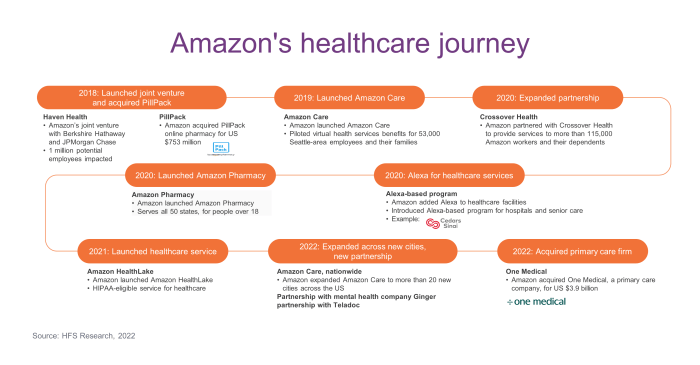
Amazon's acquisition of One Medical marks a significant development in the healthcare industry. One Medical, known for its innovative approach to primary care, has now become a part of Amazon's growing healthcare ecosystem. This move has the potential to reshape healthcare pricing and delivery models, impacting how patients access and pay for medical services.
Significance of the Acquisition
- Amazon's entry into the healthcare sector has been met with anticipation and speculation. By acquiring One Medical, a company focused on improving patient experience and outcomes, Amazon is positioning itself to provide more comprehensive and convenient healthcare solutions to consumers.
- One Medical's technology-driven approach to primary care aligns with Amazon's commitment to innovation and customer-centric services. This acquisition opens up possibilities for Amazon to leverage One Medical's expertise in delivering personalized and efficient care.
Implications on Healthcare Pricing
- The merger of Amazon and One Medical could lead to increased competition in the healthcare market, potentially driving down prices for medical services. Amazon's entry into the sector has already disrupted traditional healthcare models, and this acquisition further accelerates that transformation.
- With a focus on improving access to care and streamlining the healthcare experience, Amazon and One Medical may introduce pricing models that prioritize affordability and transparency. This could benefit consumers by making healthcare services more accessible and cost-effective.
Background of Companies
Amazon, known for its dominance in e-commerce, has been expanding its presence in the healthcare sector. The tech giant has made significant moves to disrupt the traditional healthcare industry by acquiring PillPack, an online pharmacy, and launching Amazon Pharmacy, a prescription medication delivery service.One Medical, on the other hand, is a membership-based primary care provider that offers a range of services, including virtual visits, same-day appointments, and 24/7 access to care.
The company focuses on delivering high-quality, convenient healthcare to its members through a combination of in-person and digital care.
Business Strategies of Amazon and One Medical
- Amazon's strategy revolves around leveraging its vast resources and technological capabilities to streamline the healthcare experience for consumers. By acquiring PillPack and launching Amazon Pharmacy, the company aims to simplify the process of obtaining prescription medications.
- One Medical's business model focuses on providing a more personalized and accessible primary care experience. The company emphasizes preventive care, wellness services, and a seamless digital platform to enhance patient engagement and satisfaction.
- While Amazon and One Medical operate in different segments of the healthcare industry, both companies share a common goal of improving the overall patient experience through innovation and technology.
Impact on Healthcare Services
Amazon's acquisition of One Medical has the potential to significantly impact healthcare services, particularly in terms of accessibility, patient experience, and quality of care.
Accessibility
With Amazon's resources and reach, the acquisition of One Medical could lead to increased accessibility to healthcare services for a wider population. This could involve the expansion of One Medical clinics to more locations, making quality healthcare more accessible to underserved communities.
Patient Experience
Under Amazon's ownership, One Medical may prioritize a more patient-centric approach, focusing on enhancing the overall patient experience. This could involve leveraging technology to streamline appointment scheduling, creating personalized care plans, and improving communication between patients and healthcare providers.
Quality of Healthcare Services
The acquisition could also influence the quality of healthcare services provided by One Medical. With Amazon's emphasis on innovation and efficiency, there may be advancements in healthcare delivery, such as the integration of telemedicine services, predictive analytics for preventive care, and overall improvements in the healthcare experience for patients.
Pricing Strategies
As Amazon makes its foray into the healthcare industry through the acquisition of One Medical, it is crucial to analyze how this move could potentially impact pricing strategies within the sector. The current pricing models in healthcare are complex and often opaque, leading to high costs for consumers.
Let's delve into how Amazon's entry could shake up the existing pricing structures and what benefits or drawbacks it might bring.
Current Pricing Models in Healthcare
Healthcare pricing in the US is notoriously convoluted, with various factors influencing the costs of services, procedures, and medications. From negotiated rates with insurance companies to out-of-pocket expenses for patients, the system lacks transparency, making it challenging for individuals to understand and compare prices effectively.
Amazon's Disruption of Healthcare Pricing
Amazon's reputation for driving competitive pricing and efficiency in other industries raises the possibility of similar disruptions in healthcare
Benefits and Drawbacks of Amazon's Influence
- Benefits:
- Increased price transparency: Amazon's entry could push for more transparent pricing practices, enabling patients to make informed decisions about their healthcare expenses.
- Cost efficiency: By optimizing processes and reducing administrative overhead, Amazon may help lower overall healthcare costs for both patients and insurers.
- Enhanced consumer experience: Through digital platforms and personalized services, Amazon could enhance the overall patient experience and engagement.
- Drawbacks:
- Monopolistic concerns: Amazon's growing influence in healthcare could raise antitrust issues and limit competition, potentially leading to higher prices in the long run.
- Data privacy and security: With access to vast amounts of healthcare data, Amazon's involvement may raise concerns about patient privacy and data security.
- Resistance from traditional providers: Established healthcare entities may resist Amazon's disruptive approach, creating challenges in implementing new pricing strategies.
Consumer Perspective
When it comes to the acquisition of One Medical by Amazon from a consumer perspective, there are several aspects to consider.
Convenience and Affordability
Consumers may perceive the acquisition positively in terms of convenience and affordability. With Amazon's reputation for efficient delivery and customer service, there is a potential for streamlined healthcare services that are more accessible and cost-effective. This could lead to a more seamless experience for consumers when seeking medical care, reducing wait times and improving overall satisfaction.
Concerns and Reservations
However, some consumers might have concerns or reservations regarding Amazon's involvement in healthcare. Issues such as data privacy, monopolistic practices, and potential changes to the quality of care provided by One Medical could lead to skepticism among consumers. There may also be worries about the impact of corporate influence on healthcare decisions and the doctor-patient relationship.
Impact on Consumer Choices
The acquisition could also impact consumer choices and decision-making in healthcare. With Amazon's entry into the healthcare industry, consumers may have more options for where to seek medical services. This could lead to increased competition among healthcare providers, potentially driving prices down and improving quality of care.
However, consumers may need to weigh the benefits of convenience and affordability against concerns about data security and the influence of a large corporation on their healthcare decisions.
Regulatory Considerations
When it comes to Amazon's acquisition of One Medical, there are several regulatory implications that need to be considered. The healthcare industry is heavily regulated, and any significant changes in ownership or pricing can attract the attention of regulatory bodies.
Regulatory Response to Healthcare Pricing Changes
- Regulatory bodies may closely monitor the impact of Amazon's acquisition of One Medical on healthcare pricing. This could involve investigating any potential anti-competitive behavior or price gouging.
- There might be increased scrutiny on the pricing strategies employed by Amazon and One Medical post-acquisition. Regulators could step in to ensure that pricing remains fair and transparent for consumers.
- Regulatory bodies may also focus on ensuring that the quality of healthcare services provided by One Medical does not diminish as a result of the acquisition. This could involve assessing any changes in patient outcomes or access to care.
Long-Term Regulatory Effects
- The long-term regulatory effects on the healthcare industry could include the development of new guidelines or regulations specific to healthcare mergers and acquisitions involving tech companies like Amazon.
- Regulators may implement stricter oversight of pricing practices within the healthcare sector to prevent monopolistic behavior or unfair pricing practices that could harm consumers.
- There could be a push for greater transparency in healthcare pricing overall, with regulatory bodies requiring companies to disclose more information about their pricing models and how they determine costs.
Conclusive Thoughts
In conclusion, Amazon Buys One Medical: How It Changes Healthcare Pricing sheds light on the transformative impact of this acquisition on the healthcare sector. From potential shifts in pricing strategies to changes in patient experiences, the future of healthcare pricing seems poised for evolution.
As Amazon's influence continues to grow in the healthcare domain, the implications of this acquisition are far-reaching and merit close attention.
Questions Often Asked
How will Amazon's acquisition of One Medical affect healthcare accessibility?
Amazon's acquisition may lead to increased accessibility through innovative services and expanded reach.
What are the potential drawbacks of Amazon's influence on healthcare pricing?
Some concerns may include monopolistic tendencies and potential price hikes due to decreased competition.
How could the acquisition impact consumer choices in healthcare?
Consumers might have more options but could also face challenges in navigating a complex healthcare landscape.