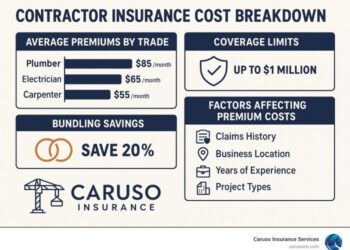

Exploring the realm of insurance plans tailored for flooring installers in 2025, this introduction sets the stage for a detailed analysis of the risks, coverage types, and evolving trends in the industry. Through a blend of informative insights and practical advice, readers will gain a deeper understanding of the insurance landscape for flooring installers.
As we delve further into the specifics of insurance needs and cost-effective options, it becomes evident that a well-rounded insurance plan is crucial for the success and security of flooring installers in the coming years.
Understand the insurance needs of flooring installers
As flooring installers, it is crucial to have a comprehensive insurance plan that covers the various risks associated with your line of work. From potential injuries to property damage, having the right insurance coverage can protect you and your business from unexpected financial losses.Explain the common risks faced by flooring installers that insurance should cover:
Common Risks Faced by Flooring Installers
- Accidental damage to the property of clients during installation
- Personal injuries sustained on the job site
- Errors in installation leading to costly repairs
Identify the types of insurance coverage essential for flooring installers:
Types of Essential Insurance Coverage
- General Liability Insurance to cover bodily injury and property damage
- Workers' Compensation Insurance to provide benefits to employees injured on the job
- Professional Liability Insurance to protect against errors or negligence claims
Detail the importance of having a comprehensive insurance plan tailored to the specific needs of flooring installers:
Importance of Tailored Insurance Plan
Having a tailored insurance plan ensures that you are adequately protected against the unique risks faced by flooring installers. It offers peace of mind knowing that you have coverage for potential accidents, damages, or liabilities that may arise in the course of your work.
Research trends in insurance for flooring installers

Insurance in the construction industry, especially for flooring installers, is constantly evolving to meet the changing needs and challenges of the industry. Let's delve into the emerging trends in insurance for flooring installers and how insurance plans have evolved over the years to 2025.
Emerging Insurance Trends for Flooring Installers
- Increased focus on liability coverage: With the rising number of lawsuits in the construction industry, insurance plans for flooring installers now offer more comprehensive liability coverage to protect against claims of property damage or bodily injury.
- Specialized coverage for equipment and tools: As flooring installers heavily rely on specialized equipment and tools, insurance plans now provide coverage specifically tailored to protect these valuable assets in case of theft, damage, or loss.
- Cyber insurance: With the digitalization of processes in the construction industry, including the use of software for project management and communication, insurance plans now include cyber insurance to protect against data breaches and cyber-attacks.
Comparison of Insurance Plans for Flooring Installers
- General Liability Insurance: Covers bodily injury, property damage, and personal injury claims.
- Workers' Compensation Insurance: Provides coverage for medical expenses and lost wages for employees injured on the job.
- Commercial Auto Insurance: Protects vehicles used for business purposes, such as transporting equipment and materials to job sites.
Evolution of Insurance Plans for Flooring Installers
- Increased customization: Insurance plans now offer more flexibility and customization options to meet the specific needs of flooring installers, allowing them to tailor their coverage based on the size and scope of their projects.
- Integration of technology: Insurers are leveraging technology, such as drones and satellite imagery, to assess risks more accurately and streamline the claims process for flooring installers.
- Rise of parametric insurance: Parametric insurance, which pays out a predetermined amount based on specific triggers, is gaining popularity in the construction industry, offering faster claims settlements and greater financial protection.
Consider cost-effective insurance options

When it comes to insurance for flooring installers, finding cost-effective options is essential to protect your business without breaking the bank
Compare costs and benefits of different insurance providers
- Research and compare quotes from multiple insurance providers to find the best rates for your specific needs.
- Look for insurance companies that specialize in coverage for flooring installers, as they may offer tailored plans at competitive prices.
- Consider bundling your insurance policies with one provider to potentially qualify for discounts.
- Review the coverage options and exclusions of each plan carefully to ensure you are getting the most value for your money.
Customize insurance plans to fit your budget
- Opt for higher deductibles to lower your monthly premiums, but make sure you have enough savings to cover the deductible in case of a claim.
- Adjust coverage limits based on your business needs and risk factors to avoid paying for unnecessary coverage.
- Explore add-on coverages that are relevant to your business, such as tools and equipment insurance or cyber liability insurance, to enhance your protection without significant cost increases.
- Regularly review your insurance needs and update your policy to reflect any changes in your business operations or risks.
Evaluate the reputation of insurance providers
When choosing insurance providers for flooring installers, it is crucial to evaluate their reputation and reliability to ensure long-term coverage and peace of mind.
Identify reputable insurance providers
- Look for insurance companies with a strong track record of providing insurance plans specifically tailored to the needs of flooring installers.
- Read reviews and testimonials from other flooring installers to gauge the satisfaction level with the insurance provider.
- Check if the insurance provider has experience working with flooring installers and understands the unique risks associated with the industry.
Assessing reliability and reputation
- Research the financial stability of the insurance company to ensure they can fulfill their coverage obligations in the long run.
- Verify the insurance provider's credentials and licenses to operate in your state or region.
- Check if the insurance provider has a good claims settlement record and promptly responds to inquiries or issues.
Importance of choosing a financially stable provider
Choosing a financially stable insurance provider is crucial for flooring installers as it ensures that the insurance company can meet its financial obligations, especially during unforeseen circumstances or large claims. This stability provides peace of mind and ensures that the flooring installer's coverage remains intact over time.
Last Recap
In conclusion, navigating the world of insurance as a flooring installer demands a strategic approach that balances cost-effectiveness with comprehensive coverage. By staying informed about emerging trends and reputable providers, flooring installers can safeguard their businesses effectively in 2025 and beyond.
Common Queries
What are the common risks faced by flooring installers that insurance should cover?
Common risks include property damage, injuries on the job, and liabilities arising from faulty installations.
How can flooring installers find cost-effective insurance plans?
Research different providers, compare costs and coverage, and consider bundling services for potential discounts.
Why is it important to choose a financially stable insurance provider?
Financial stability ensures that the provider can meet its obligations and pay out claims, offering long-term security for flooring installers.