
Small Business Health Insurance: Best Plans for Under 50 Employees sets the stage for this enthralling narrative, offering readers a glimpse into a story that is rich in detail and brimming with originality from the outset.
In the following paragraphs, we will delve into the different types of health insurance plans available, considerations for choosing the best plan, and finally, a list of some of the top health insurance plans for small businesses with under 50 employees.
Overview of Small Business Health Insurance Plans
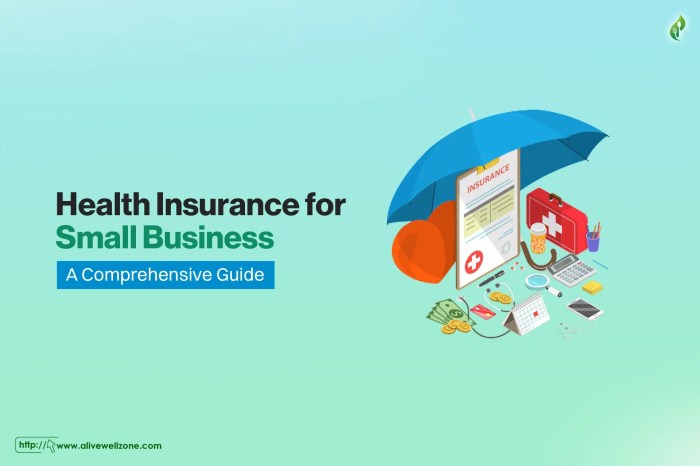
Small business health insurance plans play a crucial role in attracting and retaining top talent, as well as promoting the overall well-being of employees. Here are some key points to consider:
Importance of Offering Health Insurance for Small Businesses
Providing health insurance for employees is essential for small businesses to remain competitive in the job market. It not only helps attract skilled workers but also boosts morale and productivity within the organization. Additionally, offering health benefits can lead to reduced absenteeism and lower turnover rates.
Key Benefits of Providing Health Insurance for Employees
- Improved employee retention and recruitment.
- Enhanced employee satisfaction and morale.
- Increased productivity and engagement.
- Healthier and happier workforce.
- Reduced absenteeism and healthcare costs.
Challenges Small Businesses Face When Selecting Health Insurance Plans
Small businesses often encounter various challenges when choosing health insurance plans for their employees. These may include:
- Limited budget constraints.
- Complexity in understanding different plan options.
- Ensuring compliance with healthcare regulations.
- Difficulty in predicting and managing healthcare costs.
- Offering competitive benefits compared to larger corporations.
Types of Health Insurance Plans Available
When it comes to providing health insurance for small businesses, there are several options to consider. Understanding the different types of health insurance plans available can help you make an informed decision that best suits the needs of your employees and your budget.
Traditional Health Insurance
Traditional health insurance plans typically involve a higher monthly premium but offer lower out-of-pocket costs when employees need medical care. These plans often come with copayments for doctor visits and prescriptions, as well as coverage for a wide range of healthcare services.
Examples of insurance carriers that offer traditional health insurance plans for small businesses include Blue Cross Blue Shield, Aetna, and Cigna.
High-Deductible Health Plans (HDHPs)
On the other hand, high-deductible health plans (HDHPs) usually have lower monthly premiums but come with higher deductibles that employees must meet before the insurance coverage kicks in. These plans are often paired with health savings accounts (HSAs) or health reimbursement arrangements (HRAs) to help employees cover their out-of-pocket expenses.
Insurance carriers like UnitedHealthcare, Humana, and Kaiser Permanente offer HDHPs tailored for small businesses.
Considerations for Choosing the Best Plan
When selecting health insurance plans for small businesses, there are several factors that should be taken into consideration to ensure the best fit for both the company and its employees. It is important to assess the needs of employees, as well as consider the cost, coverage, and network adequacy of the plan.
Employee Needs Assessment
- Survey employees to understand their healthcare needs and preferences.
- Consider the demographics of your workforce to determine the most relevant coverage options.
- Take into account any specific health conditions or medications that employees may require coverage for.
Cost Considerations
- Compare premium costs, deductibles, and co-pays of different plans to find a balance between affordability and coverage.
- Look into potential tax benefits or credits that may be available for offering health insurance to employees.
- Consider the long-term financial implications of the chosen plan for both the company and its employees.
Coverage and Network Adequacy
- Review the scope of coverage offered by each plan, including preventive care, specialist visits, and hospitalization.
- Check if the plan includes access to a network of healthcare providers that is convenient and comprehensive for employees.
- Ensure that the plan covers essential health benefits required by law, such as maternity care and mental health services.
Best Health Insurance Plans for Small Businesses (Under 50 Employees)
When it comes to choosing the best health insurance plan for a small business with under 50 employees, there are several options to consider. Each plan offers different coverage, costs, and features that can cater to the specific needs of your business and employees.
Top Health Insurance Plans for Small Businesses
- Blue Cross Blue Shield Small Business Health Options Program (SHOP)Blue Cross Blue Shield offers a variety of health insurance plans through the Small Business Health Options Program (SHOP). These plans provide comprehensive coverage for small businesses with competitive rates and a wide network of healthcare providers. The plans also offer flexibility in choosing coverage options to meet the needs of your employees.
- Aetna Small Group Health Insurance PlansAetna offers small group health insurance plans that provide a range of coverage options for businesses with under 50 employees. These plans include access to Aetna's extensive network of healthcare providers, as well as additional wellness programs and resources to support the health and well-being of employees.
Details on Coverage, Cost, and Features
- Blue Cross Blue Shield SHOP Plans:
- Comprehensive coverage for medical services, prescription drugs, and preventive care.
- Competitive rates tailored to the size and needs of small businesses.
- Access to a broad network of healthcare providers and specialists.
- Aetna Small Group Health Insurance Plans:
- Flexible coverage options to customize plans based on the needs of the business and employees.
- Wellness programs and resources to promote employee health and prevent illness.
- Access to Aetna's network of doctors, hospitals, and other healthcare professionals.
Unique Benefits of Each Plan
- Blue Cross Blue Shield SHOP Plans:
- Customizable coverage options to fit the needs of your business.
- Dedicated customer support and assistance in navigating the healthcare system.
- Aetna Small Group Health Insurance Plans:
- Additional wellness programs and resources to promote employee well-being.
- Flexible plan options to accommodate the changing needs of your business.
Closing Summary
As we conclude this discussion on Small Business Health Insurance: Best Plans for Under 50 Employees, it's evident that providing health insurance for employees is crucial for the well-being of both the employees and the business. By carefully considering the needs and options available, small businesses can make informed decisions that benefit everyone involved.
Q&A
What factors should small businesses consider when selecting health insurance plans?
Small businesses should consider factors such as cost, coverage, and network adequacy when choosing health insurance plans to ensure they meet the needs of their employees.
What are high-deductible health plans (HDHPs) and how do they differ from traditional health insurance plans?
High-deductible health plans (HDHPs) typically have lower premiums but higher deductibles compared to traditional health insurance plans. They are often paired with health savings accounts (HSAs) and can be a cost-effective option for some small businesses.
Which insurance carriers offer health insurance plans suitable for small businesses?
Insurance carriers such as Blue Cross Blue Shield, Aetna, Cigna, and UnitedHealthcare offer health insurance plans tailored for small businesses with under 50 employees.